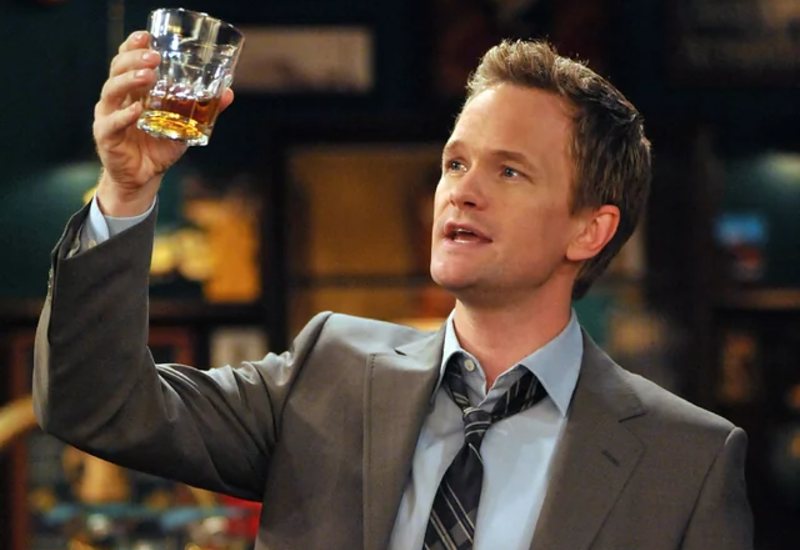
The Pitcher
Barney Stinson
Always pitching, loud, high-energy. The moment he stops showing up, he's forgotten.
= Performance marketing. Always on, no memory without spending.
mCaffeineearly Mamaearth
B
Every brand you scroll past today spent money to be there. Why does none of it stick? The answer isn't more content or bigger budgets. It's positioning.
Every brand is online now, so being online stopped being the advantage. Budgets keep climbing while recall keeps falling. This issue is about the one thing that still separates the brands people remember from the ones they scroll past, positioning. What it is, why most brands get it wrong, and how to find yours in 2026.
Here's a question no one asked a decade ago: if every brand is online, how do you actually stand out?
…and why does spending more only make it worse?
Traditional media held 65% of India's ad market in FY20. By FY25, it fell to ~46%, while digital nearly doubled its share. When everyone follows the same path, the path stops being an advantage.
Sources: IBEF / Crisil FY25 · Pitch Madison Advertising Report 2025 · Mordor Intelligence D2C Report 2026
Take energy drinks. Every brand screams "high performance" with edgy visuals and extreme sports, all chasing the Red Bull formula. They're all trying to be different, and the result is that everything feels the same.
You could swap the logo on three brand pages and the audience wouldn't notice.
Any one of them could be the different one. That is the problem.
Same space. Same style. Same tone. Spending to be seen, not to be remembered.
It's that digital alone doesn't differentiate. As more brands followed the same playbook, it didn't just become common, it created the efficiency trap: when optimising for the same metrics, on the same platforms, with the same playbook makes every brand indistinguishable.
The same pattern plays out in D2C beauty, fashion, and food delivery. Content looks interchangeable. The spend grows. The recall doesn't. Brands need to combine reach with real memorability: repeated exposure, stories that stay, and a point of view strong enough that people remember who said it.
Some brands find that differentiation entirely online. Some find it offline. Some find it in the intersection. The channel isn't the answer. Positioning is.
No Instagram. No performance marketing. What they had was clarity about what they stood for, and the discipline to say it the same way for decades.
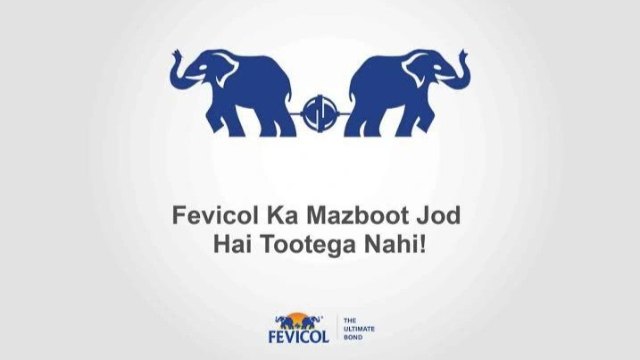
One idea, repeated for decades. "Fevicol ka jod hai, tutega nahi" is remembered across generations, tied to everyday moments, never chasing trends.
One idea, repeated for decades. Emotional connection through everyday relevance, not novelty.
With "Har Ghar Kuch Kehta Hai," they didn't sell paint, they told the story of homes and lives. They re-ran the same ad 22 years later because the line is the positioning.
Positioned around an emotion (home as identity), not a category (paint). Consistent for 20+ years.
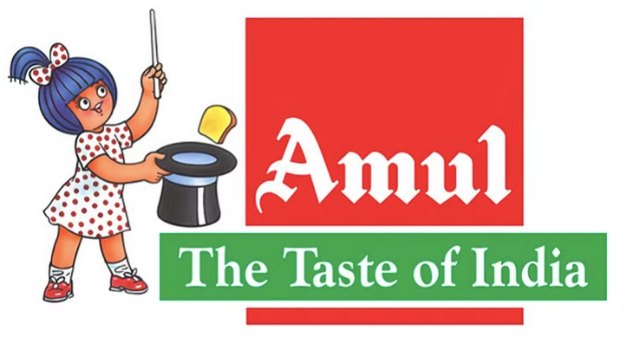
The Amul Girl has run since 1966, topical, witty, present in culture every single week for five decades. The brand doesn't react to the trend. It is the trend.
Cultural participation as a strategy, weekly relevance that never relies on short-term bursts.
We don't reach for Parle-G because of one viral campaign. They were building something that would outlast any campaign.
Built on generations of consistent presence not ROAS ✗
Zomato understood this earliest. Not just food delivery, fun, relatable, timely conversations people remembered. They started the brainrot-content era on Instagram in India.
When every brand copied the playbook, Zomato didn't defend the territory. They pivoted to hustle culture, aspirational content, black-and-white aesthetics. New positioning, new whitespace, same discipline.
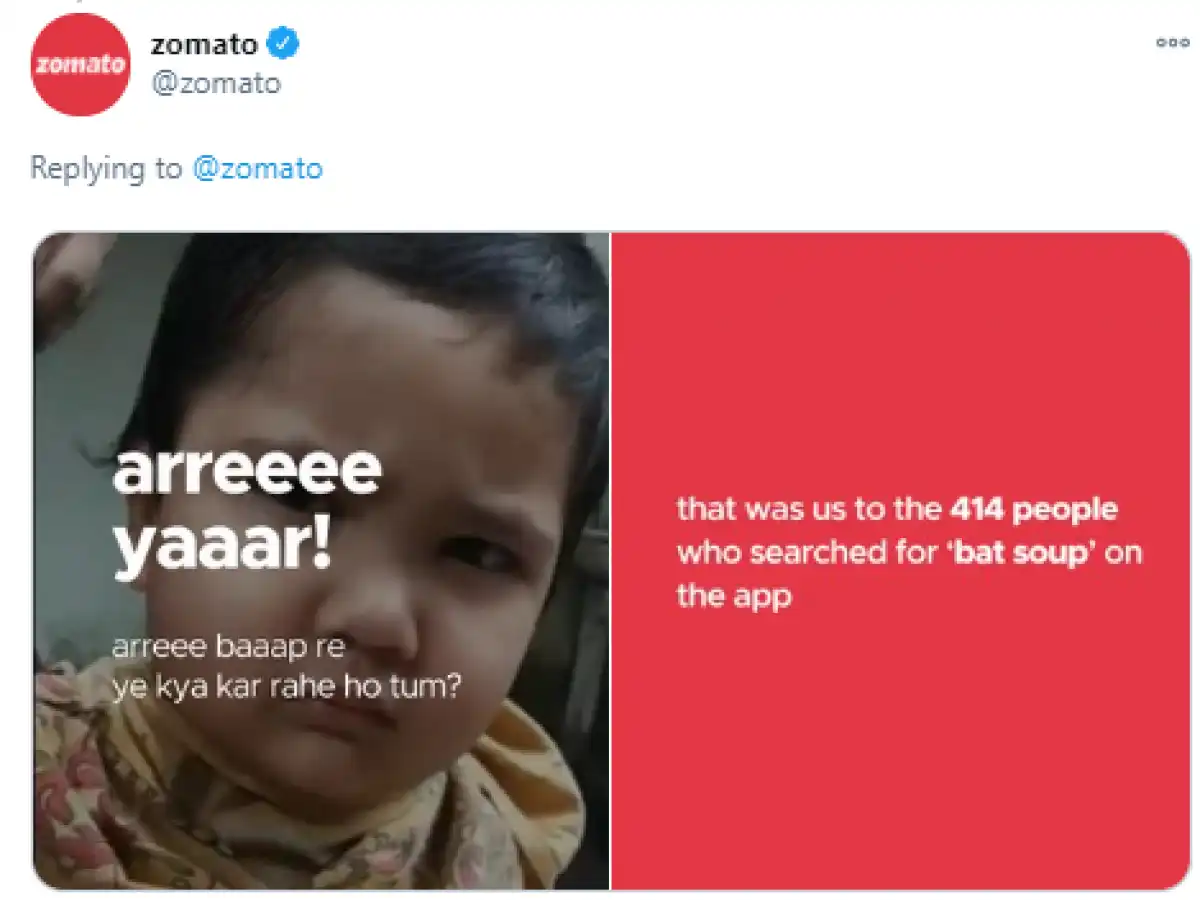
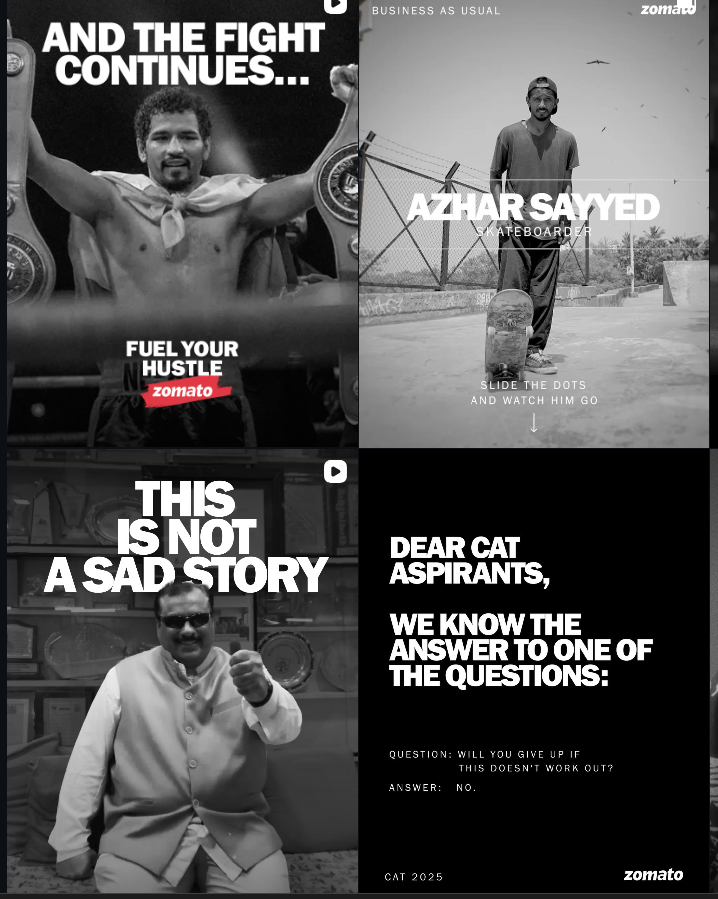
By doing this, you move from visibility to memorability. People don't just see the brand, they remember it, trust it, and prefer it. That's what breaks the efficiency trap.
If the formula is this clear, why aren't more brands following it? Because positioning is the decision about what you'll stand for, and the discipline to stick to it long enough for the audience to feel it.
They paste the same content, format and tone without asking: Who am I talking to? What do I want them to feel? What space can I own that nobody else is in? Four failure modes show up again and again.
Performance marketing is easy to justify. Influencer reach looks good in reports. Long-term positioning is harder to measure and harder to defend in a Monday review, so brands keep spending on what's measurable and ignore what actually builds recall.
Mamaearth and mCaffeine scaled fast on paid acquisition. When Honasa (Mamaearth's parent) went public, the market questioned whether the brand had equity beyond ad spend. The stock fell over 40% from its listing high. When recall disappears the moment you stop spending, you don't have a brand, you have a customer-acquisition line item.
Every brand needed a face, so the page slowly turned into a stream of collaborations. The reach shows up; the brand itself isn't compounding anything. Impressions spike, but recall and distinctiveness stay flat.
The gap isn't influencer marketing, it's how it's used. When the page feels like a collection of paid moments instead of a clear brand story, it stops building something that belongs to the brand.
Brands want results fast, so they copy-paste what's already working without asking what they're actually targeting. Not every brand wants the same thing, some want customers, some want press, some want a community. The same strategy doesn't serve all three equally.
And as content volume keeps rising, attention per brand keeps shrinking. Generic content, paid or organic, gets scrolled past without a second thought.
As AI-generated content floods the internet, demand for content that feels human is rising, the same dynamic that happened with offline events when everything went digital. Audiences develop a taste for the real thing precisely because the artificial version is everywhere.
Brands that lean entirely on AI optimise for volume at the cost of distinctiveness. The irony is stark: the tool meant to scale content is actually commoditising it.
There isn't one right answer. There are archetypes different brands inhabit, and the best brands understand which one fits them, then play it consistently. Think of your brand as a character.
Always pitching, loud, high-energy. The moment he stops showing up, he's forgotten.
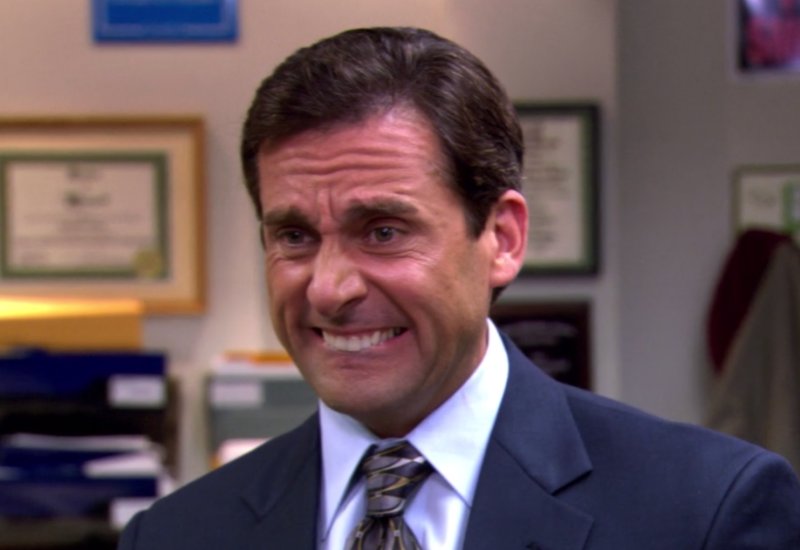
Personality first, genuinely funny, builds relationships through constant interaction.
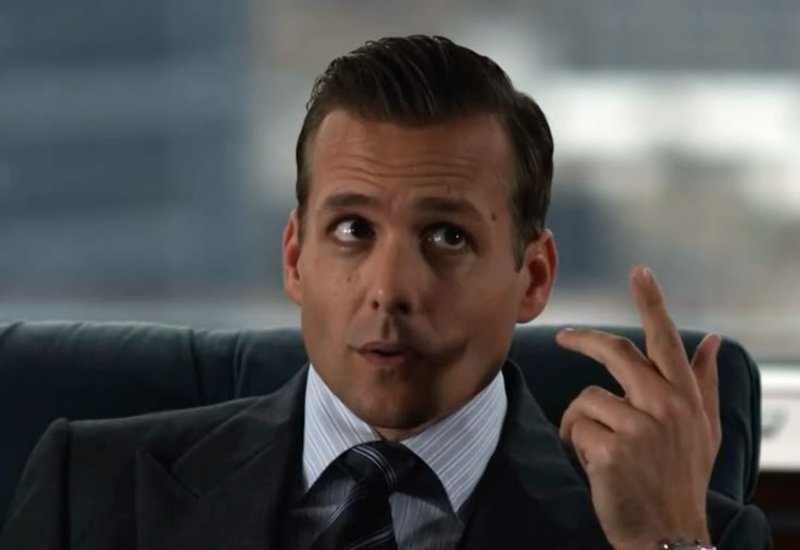
Positions himself as premium. Doesn't chase. People come to him.
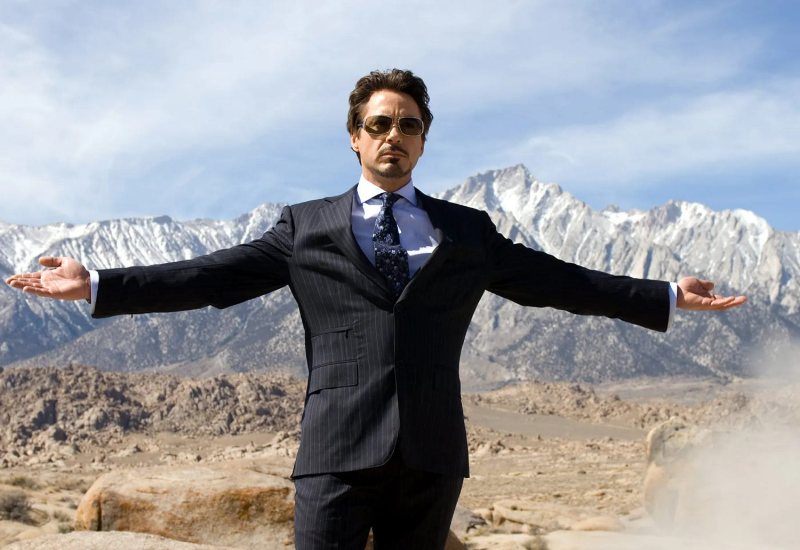
Loud, attention-grabbing, makes moves that get noticed in the room and outside it.
The brands getting it right aren't playing one of these. They understand which one fits, and play it consistently.
Each solved the positioning problem differently. What matters isn't the channel, it's the clarity of the space they chose to own.
The brand we checked to know the trend, acting fast, making the most fun content. When the landscape shifted, they moved to aspirational and hustle culture. The page always had a point of view that evolves.
Constant repositioning within content, not abandoning the platform.
An edtech brand in a boring, too-educational category, that people actually follow. The owl isn't a mascot; it's a character with opinions doing extreme things for shareability.
They turned a boring category into entertainment. Online and offline persona are the same.
Collaboration series like their Thirst Behaviour IP. Most brands hand the page to creators until it's a moodboard of promotions. Liquid IV keeps its persona and picks creators who add to it.
Influencers serve the brand's positioning, not the other way around.
A textbook of decision-stage targeting. Leave their app and you're reminded of the same products you checked. Performance marketing with positioning clarity, not interrupting, reminding at the right moment.
No budget wasted on top-funnel awareness. Every rupee spent on shown intent.
Positioning doesn't happen in a vacuum. Where your brand sits on each spectrum changes what positioning is even possible. The forces don't give you the answer, they give you the map.
A premium, offline-first brand in a crowded category plays completely differently from an affordable, online-first brand in a new one. Find yours.
An increasing number of digital-native brands are finding their audience's attention isn't only online anymore. Offline isn't a retreat, it's a strategic investment in recall, growth and content creation. The data is striking.
Only ₹8 of every ₹100 Indians spend on shopping happens online. The other ₹92 goes to physical stores. A brand that only exists online is fighting for a thin slice of a very large pie.
Sources: EY-Parthenon & BookMyShow "Beyond Attention. Into Immersion" (March 2026) · FICCI-EY Report 2026 · CBRE India
These aren't brands running from digital. They understand digital gives you reach, and physical gives you memory. Building both is the only complete picture.
100,000+ sq ft venues, Stranger Things, Squid Game, Bridgerton as immersive experiences. In India, a storytelling pavilion at WAVES 2025 let fans step into sets and dub iconic scenes.
Turned passive viewers into active participants. Content creates the experience; the experience creates new content.
Present at concerts and matches through booths and activations, consistently associated with the feeling of being somewhere fun with people you like. A repeated, recognisable presence.
Owned a feeling (fun with friends), not a product benefit. The brand is the atmosphere, not the drink.
Gully Labs built Baithak, a community space with music and discussion. Nothing has a community meeting area inside its Bangalore store. People come for the experience, not just the product.
Community as a physical space, adding to the experience of buying from their store.
Showed up at comedy shows and let people mock the brand. The mockery still fulfils the objective, the brand gets talked about. Attention is attention.
Self-awareness as positioning. Being mocked by your audience still means they're thinking about you.
Billboard collaborations with complementary brands, visual moments that serve both parties and catch attention in the physical environment.
Co-branded outdoor becomes social content. The physical medium is the digital content source.
Digital gives you reach.
Physical gives you memory.
↻ The loop compounds, every cycle strengthens the next
Reach is table stakes. Going digital was the edge in 2015. By 2025 it is the default, and the default never differentiates.
Beware the efficiency trap. Same platforms, same metrics, same playbook makes every brand look interchangeable. Swap the logos and no one notices.
Positioning beats spend. Decide what you stand for, then repeat it long enough for people to actually feel it. Visibility is not memorability.
Pick your character. Pull (Harvey), personality (Michael), spectacle (Tony) or always-on performance (Barney). Choose one and play it consistently.
Your coordinates decide your route. Run the five forces. Don't copy a playbook built for a brand with different audience, price and distribution.
Digital gives reach, physical gives memory. A live event is a content engine. The keynote is the asset; the crowd shot is the garnish. Commit long enough to compound.
Agenz is the storytelling studio behind 5B+ organic views for 100+ brands, and the offline IPs people now travel between cities for. Two of our own, built from scratch:
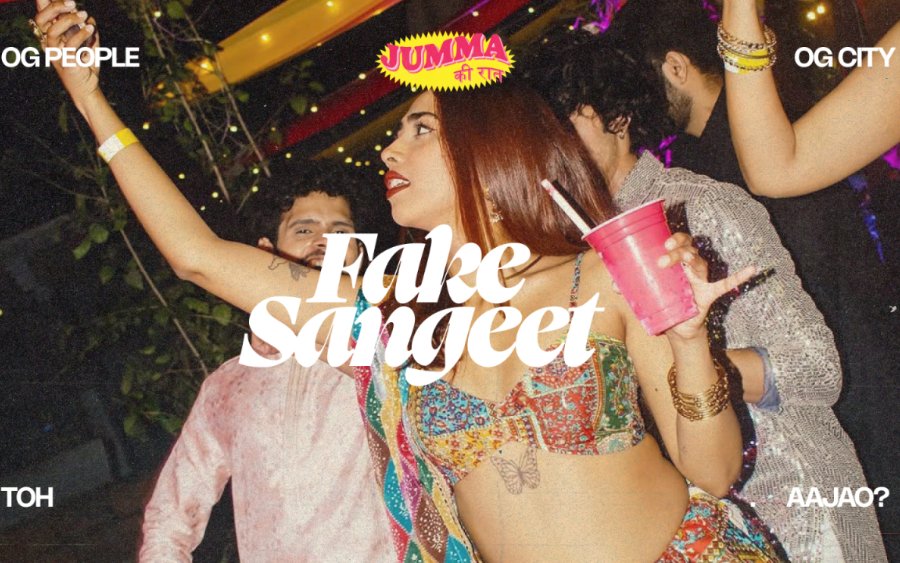
The Fake Sangeet movement is an Agenz original, a format we invented and now run across cities as Jumma Ki Raat. 15K+ tickets sold, covered by ThePrint, WION, Storyboard18 and a dozen others. We built the market, the brand, the ticketing and the community.
@jummaakiraat →
A highly intimate community for book and movie lovers, led by Noharika Gangaramany. It runs once a month across multiple cities, an Agenz-owned IP built around the kind of belonging that no ad can buy.
@seedzclub →
The same brand strategy we charge 100+ companies for, in your inbox every week, free. Or skip the reading and put it to work on your brand directly.